



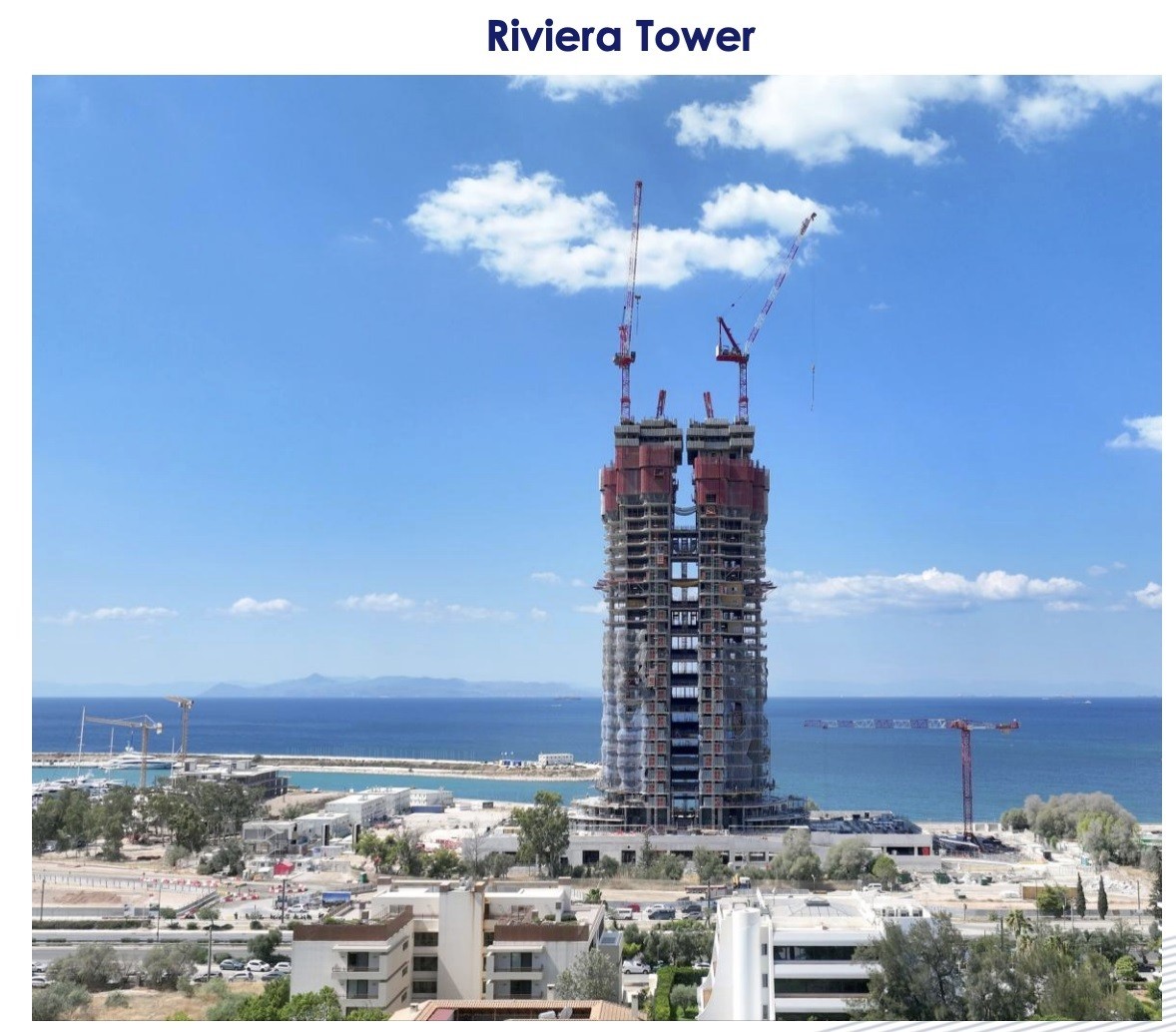
The luxury real estate sector in Greece is currently experiencing a “Golden Age” in 2026, functioning as an autonomous ecosystem largely insulated from the interest rate hikes or cost-of-living increases affecting the average residential market.
The industry analysis is structured around the following key pillars:
- Geographical “Hotspots” & Pricing
Demand is no longer horizontal but is instead concentrated in specific high-value pockets:
- Athens Riviera (Glyfada, Voula, Vouliagmeni): Remains the “flagship.” Prices for newly built, high-specification apartments can reach or even exceed €25,000 per sq.m., driven by the completion of major infrastructure projects (Ellinikon).
- Athens City Center (Plaka, Kolonaki): Luxury here is synonymous with prestige and heritage. Prices show an annual increase of approximately 12%, as the available stock is extremely limited.
- The Greek Islands: Mykonos and Santorini remain at the top, but 2026 marks the rise of Paros, Antiparos, and Crete (Chania, Elounda). Here, villas are marketed as “integrated lifestyle experiences” rather than mere structures.
- The New Philosophy: “Quiet Luxury” & Sustainability
The definition of luxury has shifted from ostentation to substance:
- Sustainable Design: Ultra-luxury properties are now mandatorily Energy Class A+, featuring geothermal heating, photovoltaics, and integrated Smart Home management systems.
- Authenticity: There is a pivot toward natural materials (stone, raw wood) and Mediterranean aesthetics. Buyers seek “quiet luxury”—spaces that prioritize serenity and privacy.
- Buyer Profiles
In 2026, the investor profile includes:
- Ultra-High-Net-Worth Individuals (UHNWIs): Foreign investors (primarily from Central Europe, the USA, and the Middle East) seeking a “second base” for permanent residence, combining remote work with the Greek climate.
- Fractional Ownership: A burgeoning trend where multiple owners share the title of a high-value asset, allowing access to ultra-luxury villas with lower capital requirements.
- Investment Yields
Despite high acquisition costs, luxury properties offer attractive returns:
- Long-term Leasing: 4% – 5.5% annual gross yield.
- Short-term Leasing (Prime Locations): In high-end destinations, yields can exceed 7-8%, as demand for “branded residences” and luxury villas with concierge services continues to climb.
Conclusion
The sector serves as a “safe haven” for capital. By 2026, Greece is considered one of the most value-for-money destinations in the Mediterranean compared to the French or Italian Rivieras, offering a higher standard of construction at more competitive (yet premium) price points.